
When a crisis hits, your community needs to hear from you. Right now.
Wildfires, floods, pandemics, evacuations, and critical incidents all share one thing in common: the first hours matter most. In an emergency, timely information from trusted sources can reduce confusion, prevent panic, and help protect lives. Converso is available 24/7 and can deploy emergency virtual town halls, mass voice broadcasts, SMS alerts, and public outreach campaigns within hours of engagement — reaching people where they are. From rapid notification to live two-way community engagement, we help organizations communicate quickly, clearly, and at scale when time matters most.






Alberta Wildfires 2023 — 22 events, 38,000 evacuees, 48 communities
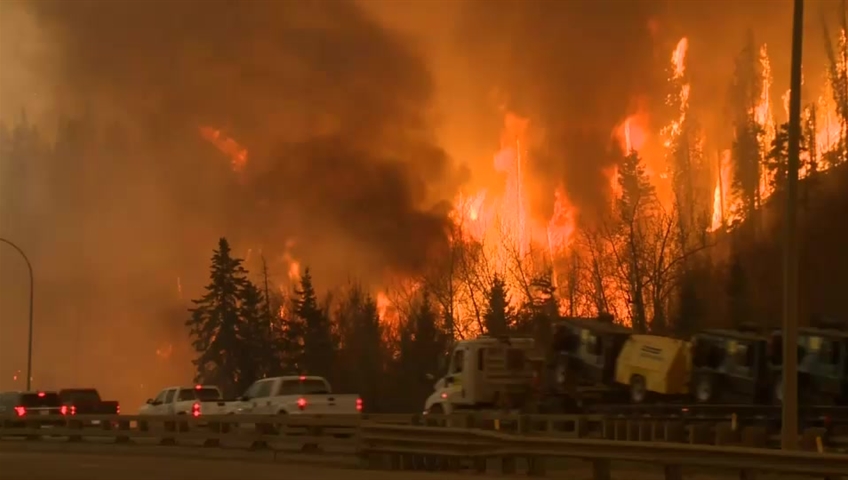
May 2023. Over 1,000 wildfires burned more than 2.2 million hectares across Alberta — ten times the province's five-year average. A provincial state of emergency was declared on May 6, with more than 29,000 residents evacuated. Converso deployed Telephone Town Halls and SMS campaigns as critical instruments in the emergency response.
How Converso responded
Converso ran 21 evacuee-focused Telephone Town Halls between May 9 and June 3, plus one province-wide readiness town hall held before evacuations began — targeting residents in high-risk zones with proactive messaging on evacuation preparation, emergency alerts, and available resources.
Participants heard directly from the Premier or designate, Ministers and Deputy Ministers of Public Safety, Forestry, and Health, the RCMP, the Director of Emergency Management, the Insurance Bureau of Canada, and the Provincial Wildfire Director. Residents asked live questions on financial support, housing, property damage, evacuation procedures, and re-entry timelines.
Download Case Study (PDF) →
In a crisis, the communication gap kills trust, and can put people at risk.
When a wildfire spreads, a pandemic escalates, or floodwaters begin to rise, people need immediate, direct communication from the organizations responsible for protecting lives, property, and public safety, not speculation from social media or fragmented reporting from the news cycle. In moments of crisis, rumours and misinformation spread faster than facts. Communities need to hear directly from people they trust, government officials, police, firefighters, emergency managers, and insurers, who know what is actually happening, what actions are being taken, and what people need to do next. Live. Two-way. And deployed immediately.
Pre-emergency communications that build community resilience
Converso is not just deployed in active crises. Governments and municipalities have used Telephone Town Halls to reach residents before an emergency — at the start of wildfire season, during drought alerts, or when forecasters warn of potential flooding. Proactive community communication builds trust, reduces panic when conditions worsen, and ensures residents know exactly what to do if an evacuation order comes.
From your call to live — in hours, not days.
Emergency response doesn't follow a project timeline. Our process is built for speed: you tell us what's happening, we handle everything from there.
You call us — we kick off immediately
Our team answers 24/7 — including weekends and holidays. Within the first hour, you're in a kick-off meeting with us. We gather the essentials: nature of the crisis, affected geography, spokesperson availability, preferred dates and timing, and what your community needs to know. You describe the situation; we take it from there.
Workplan delivered within 3 hours
Within 3 hours of that first call, you have a written workplan — event dates and timing, platform configuration, phone list approach, and speaker notes framework. In our experience, we're often ready before you are. Your team needs time to prepare the update, brief key officials, and organize messaging and spokespeople. We build so you don't have to wait on us.
24–48 hours to prepare — minimum
We recommend at least 24–48 hours between first contact and the live event. That window is yours — your spokesperson prepares the community update, your communications team aligns on key messages, and officials are briefed on the format. Meanwhile, we build the geographic phone list, configure the platform, and prepare the technical side. In an acute emergency, we can move faster — but the 24–48 hour window consistently produces the best events.
Live event: 60–90 minutes, live Q&A, real-time data
Your spokesperson delivers an update, then we open the floor for live questions. We screen submissions and bring the most relevant ones to your panelists in real time. Events include optional polling — "Do you need help with housing? Food? Transportation?" — giving you immediate data on what your community needs most. A typical session runs 60–90 minutes. We often run more than one: in Fort McMurray 2016, we ran 17 events in 30 days.
Full report within 60 minutes
Within one hour of the event ending, you receive: a full audio recording, a complete log of questions raised by the audience, attendance data, polling results, and an executive summary. The record is yours — for public accountability, legal protection, follow-up communications, and post-event planning.
Fort McMurray Wildfire — 17 events in 30 days, 58,000 displaced residents
May–June 2016. The largest wildfire evacuation in Canadian history. The Premier of Alberta needed to speak directly to 58,000 displaced residents spread across evacuation centres from Lac La Biche to Edmonton — with no reliable way to reach them all at once.
What happened
Converso was deployed within days of the evacuation order. Working directly with the Premier, Deputy-Premier, Minister of Municipal Affairs, and the Public Affairs Bureau, we produced 17 live telephone town halls over 30 consecutive days — reaching residents wherever they had evacuated, on whatever phone they had access to.
Each event connected evacuees to senior government officials in real time. Residents could ask questions about when they could return, what was happening to their homes, what supports were available. The events gave accurate information, visible leadership, and a two-way connection that social media and press releases could not provide.
When the crisis ended, the Government of Alberta had produced more emergency communication events in 30 days than most governments do in a decade. They came back to Converso for every emergency since.
Download Case Study (PDF) →"Thank you for holding this forum, it's outstanding for the people of Alberta that are displaced to be able to be contacted this way."
— Participant
"We set up these telephone town halls in order to provide evacuees with as much information as we could in an unfiltered way."
— Minister of Municipal Affairs
We don't need days to set up. We need hours.
Our team is available around the clock, every day of the year. When you call us during an evacuation order or on a holiday weekend when a wildfire threatens a community, we will answer, gather the critical details, build your phone list from available geographic data, prepare your spokesperson script, and have a live emergency town hall running within hours. We've done it before and we are ready to do it again. 24/7 — 365.
Every channel you need — deployed simultaneously.
A real emergency response doesn't rely on a single channel. Converso coordinates telephone, SMS, voice broadcast, and online at the same time, reaching every resident regardless of age, location, or device.
Emergency Virtual Town Halls
Live, two-way telephone and/or video town halls with your Mayor, Premier, Chief Medical Officer, or Emergency Manager. We call affected residents directly — no app, no login, no tech barrier. They pick up the phone and they're in. Live Q&A so they can ask what they need to know.
Explore Meetings →Voice Broadcasting
Reach thousands of residents within minutes with a pre-recorded or live voice message — evacuation orders, shelter locations, curfew information, water safety alerts. Messages are delivered simultaneously to every number on your list, with callback options and message confirmation.
SMS/MMS Mass Alerts
Text-based emergency alerts delivered to cell phones across the affected area. Include maps, images, and links to updated information. SMS reaches residents who may not answer an unknown phone call — and provides a written record of instructions they can refer to later.
Explore Outreach →IVR Information Lines
Deploy automated interactive phone lines that residents can call to get updated emergency information — without requiring staff to handle thousands of simultaneous inquiries. Press 1 for evacuation routes. Press 2 for shelter locations. Press 3 for updates. Residents get answers; your staff stays focused on the crisis.
Multi-Channel Coordination
A real crisis response uses every channel simultaneously — phone, SMS, online audio streaming, and social media feeds from the same event. Converso coordinates all channels from a single event so your message is consistent, your spokespersons are supported, and your community hears one unified voice.
Crisis Preparedness Planning
Before a crisis hits, we work with your team to build a telephone town hall crisis response plan — pre-recorded messages, prepared scripts, geographic phone lists, and a specific client crisis profile. When the emergency comes, your response time is minimized because the preparation is already done.
Fort McMurray Flood 2020 — 5 events, 29,445 participants during a pandemic
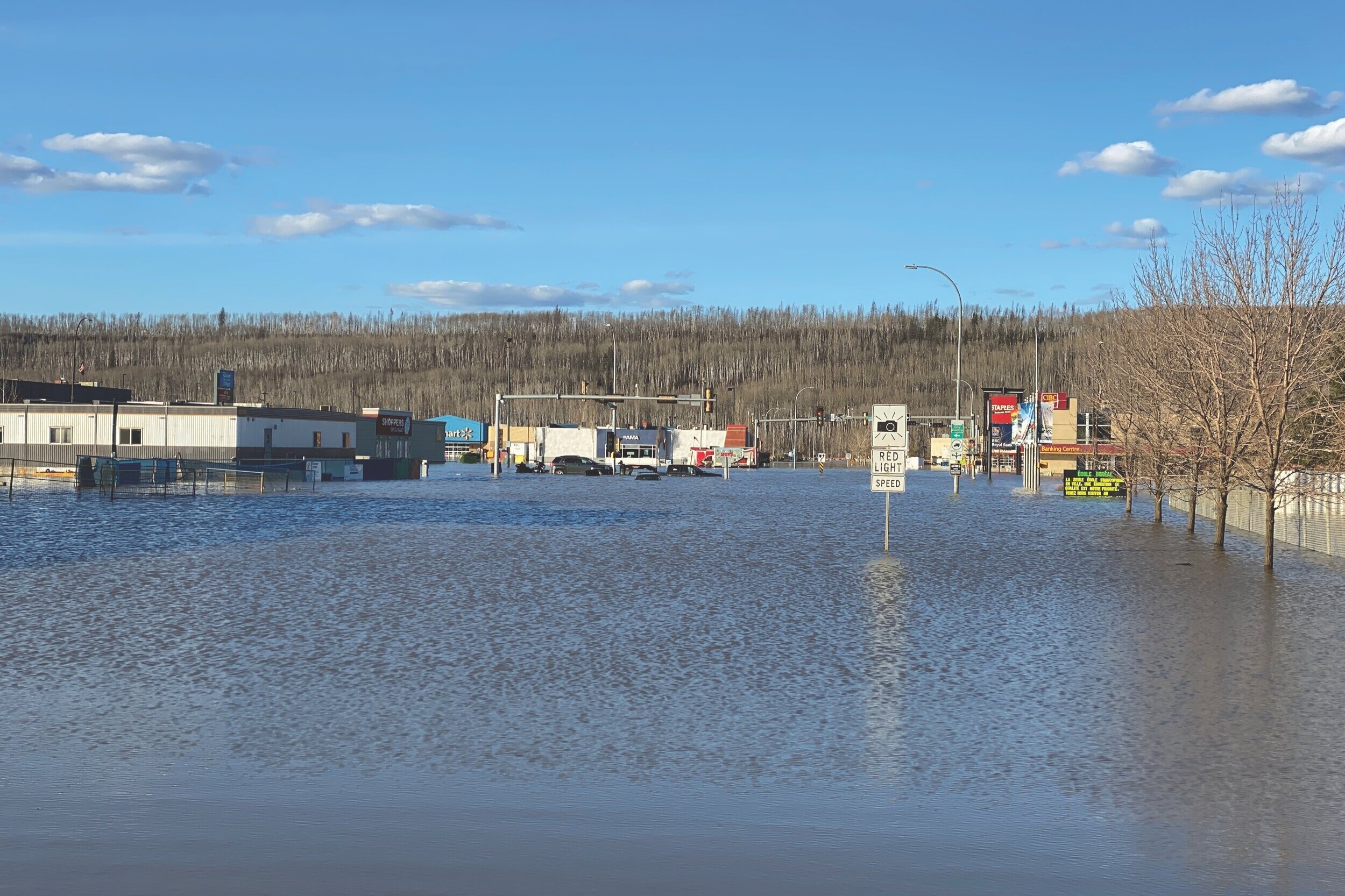
In April 2020, Fort McMurray was hit by a 1-in-100-year flood — in the middle of COVID-19 and a national quarantine. Over 10,000 evacuees needed to find food, shelter, and disaster relief, while a boil water advisory covered the entire city. With in-person gatherings restricted, the Regional Municipality of Wood Buffalo partnered with Converso to run five telephone town halls reaching nearly 30,000 residents.
What happened
RMWB brought together officials, the Canadian Red Cross, the Alberta Emergency Management Agency, the Insurance Bureau of Canada, Regional Emergency Services, the Mayor, and Members of the Legislative Assembly — anywhere from 10 to 15 panelists per event. Events were live-streamed simultaneously and recordings were posted online for those who could not join live.
"The results were great. We had a wide variety of agencies and representatives — anywhere from 10 to 15 panelists — participating and interacting with residents. We heard positive feedback that our residents really appreciated having access to those individuals." — Matthew Harrison, Director, Communications & Engagement, Regional Municipality of Wood Buffalo
Don't wait for the next crisis to figure out your communications plan.
The governments and municipalities that respond fastest are the ones that had a relationship with Converso before the emergency. We recommend every client set up a crisis preparedness plan — so when you call us at 2 a.m., the setup time is measured in minutes, not hours.
- Available 24/7 — including weekends and holidays
- Deploy within hours — not days
- Phone, SMS, voice broadcast, IVR — all channels available
- Full audio, transcript, and executive report after every event
- CRTC-compliant; bilingual events available
- Crisis preparedness planning available before any emergency occurs
Request a briefing
In an active emergency? Call us directly. For preparedness planning, use the form below.